
Kenya
Explore the Unseen
About Kenya
Welcome to Kenya: The Heart of Africa
Kenya stands as one of Africa's most captivating destinations, where wildlife encounters meet pristine beaches and vibrant cultures. From the iconic Maasai Mara teeming with the Big Five to the turquoise waters of the Indian Ocean coastline, this East African gem offers unparalleled diversity. Whether you're a wildlife enthusiast dreaming of witnessing the Great Migration, an adventure seeker ready to climb Mount Kenya, or a culture lover eager to connect with ancient tribes, Kenya delivers experiences that transform ordinary vacations into extraordinary journeys. The warmth of Kenyan hospitality, combined with world-class safari lodges and stunning natural landscapes, makes this destination perfect for families, honeymooners, solo travelers, and adventure groups alike.
Top Attractions & Landmarks
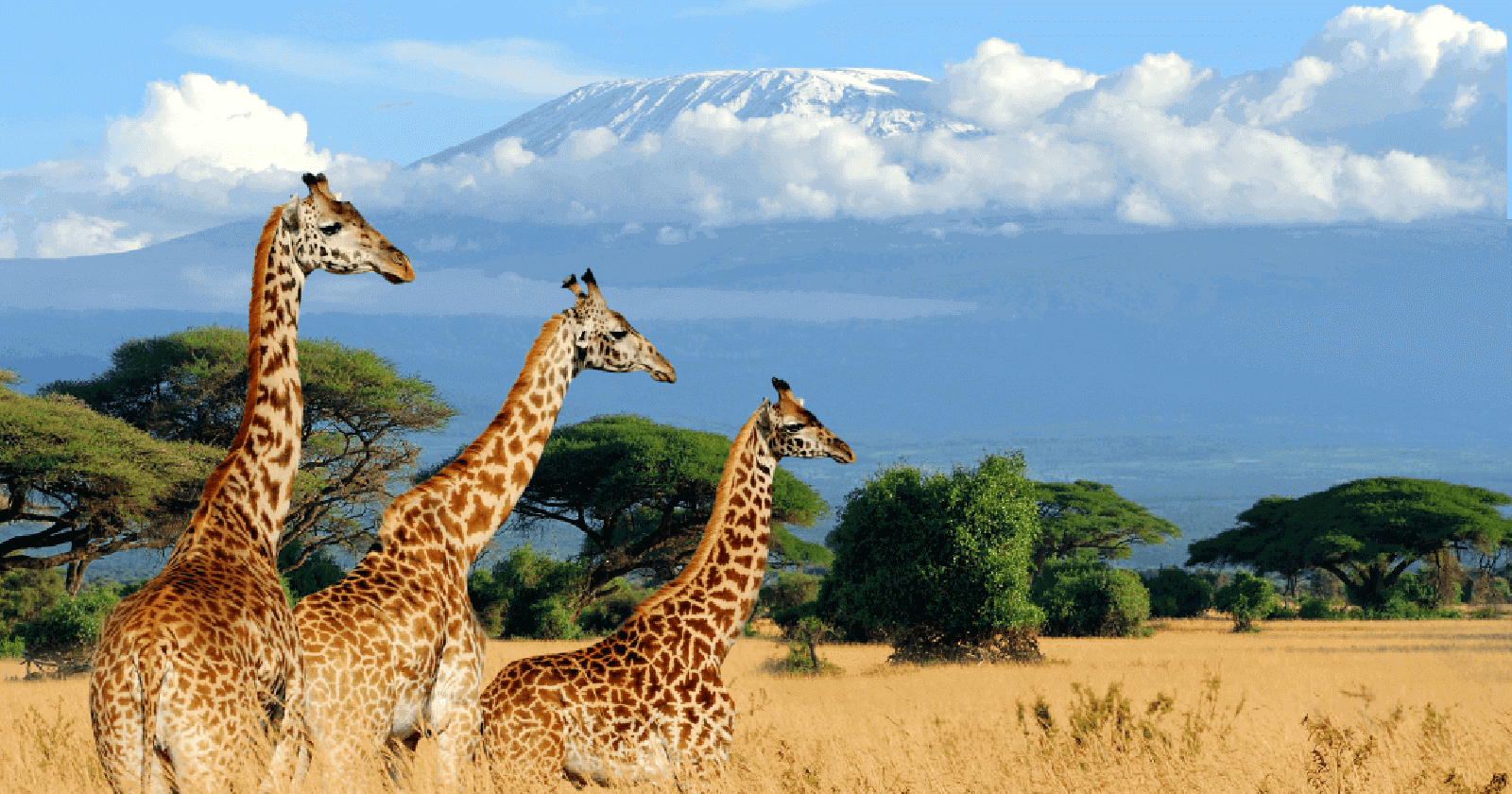
The Maasai Mara National Reserve reigns supreme as Kenya's most celebrated attraction, offering front-row seats to nature's greatest spectacle—the annual wildebeest migration. Amboseli National Park provides breathtaking views of Mount Kilimanjaro while elephants roam the plains below, creating postcard-perfect moments. The Great Rift Valley showcases geological wonders with its dramatic escarpments and flamingo-filled lakes like Lake Nakuru and Lake Naivasha.
Don't miss Lamu Old Town, a UNESCO World Heritage Site where Swahili culture thrives in narrow alleyways and dhow boats sail ancient trade routes. Nairobi National Park offers the unique experience of spotting lions and rhinos against a backdrop of city skyscrapers. For photography enthusiasts, the pink-hued shores of Lake Nakuru and the red-robed Maasai warriors against golden savannahs provide Instagram-worthy shots at every turn.
Activities & Experiences
Adventure seekers can tackle Mount Kenya, Africa's second-highest peak, or explore the Ngong Hills for panoramic views. The coastal region offers world-class diving and snorkeling in marine parks like Watamu and Malindi, where coral reefs burst with colorful marine life. White-water rafting on the Tana River and kitesurfing in Diani Beach satisfy adrenaline cravings.
Cultural immersion reaches new heights through Maasai village visits, where you'll learn traditional jumping dances and beadwork craftsmanship. Attend the Lamu Cultural Festival to witness centuries-old traditions, or visit the Karen Blixen Museum to step into "Out of Africa" history. For relaxation, indulge in spa treatments at luxury lodges, take sunset dhow cruises along the coast, or browse vibrant markets like Nairobi's Maasai Market for authentic handicrafts and souvenirs.
Local Cuisine & Dining
Kenyan cuisine reflects its diverse cultural heritage, with nyama choma (grilled meat) standing as the unofficial national dish, best enjoyed at local carnivore restaurants. Sample ugali, a maize staple served with sukuma wiki (collard greens) and rich stews. Coastal regions offer Swahili delicacies like biryani, coconut-infused curries, and fresh seafood grilled to perfection.
Visit Nairobi's Carnivore Restaurant for an all-you-can-eat meat feast, or explore street food markets for mandazi (sweet fried bread) and samosas. Don't miss Kenyan coffee, grown in the highlands and ranked among the world's finest. Bush dinners under starlit African skies at safari camps provide unforgettable culinary experiences combining gourmet cuisine with wilderness ambiance.
Best Time to Visit
The optimal time to visit Kenya is during the dry seasons from June to October and January to February. These months offer excellent wildlife viewing as animals gather around water sources, and the Great Migration crosses the Mara River between July and October, creating dramatic predator-prey encounters.
The long rains (April-May) and short rains (November) bring lush landscapes and fewer tourists, with lower accommodation rates. Beach destinations remain pleasant year-round, though coastal humidity peaks during rainy seasons. Peak season (July-October) requires advance bookings but guarantees optimal safari conditions.
Getting Around
Kenya offers diverse transportation options for travelers. Domestic flights connect major destinations quickly, with carriers like Safarilink and Jambojet serving popular routes. Safari operators provide 4x4 vehicles with pop-up roofs for optimal game viewing and photography.
In cities, use registered taxis, ride-hailing apps like Uber and Bolt, or colorful matatus (minibuses) for authentic local experiences. The Standard Gauge Railway offers comfortable travel between Nairobi and Mombasa. For coastal exploration, traditional dhow boats provide scenic transportation. Always hire reputable drivers for long-distance road trips and safari adventures.
Where to Stay
Luxury travelers can choose from exclusive safari lodges like Angama Mara and Giraffe Manor, where giraffes poke heads through breakfast windows. Mid-range options include comfortable tented camps and boutique hotels offering authentic experiences without breaking the bank.
Budget-conscious visitors find excellent hostels and guesthouses in Nairobi and coastal towns. For unique stays, consider eco-lodges in conservancies, beachfront bandas in Lamu, or treehouse accommodations overlooking waterholes. The Maasai Mara and Amboseli areas offer the best safari lodge concentrations, while Diani and Watamu excel for beach resorts.
Travel Tips
Obtain a visa online before arrival through Kenya's eVisa system. Yellow fever vaccination is required if arriving from endemic countries. Pack layers for varying temperatures, from cool highland mornings to warm coastal afternoons, and bring binoculars for wildlife viewing.
Respect local customs by dressing modestly, especially in Muslim coastal areas. Always ask permission before photographing people. The Kenyan shilling is the local currency, though US dollars are widely accepted at tourist establishments. Bargaining is expected in markets but not in shops with fixed prices.
Stay safe by avoiding isolated areas after dark, using hotel safes for valuables, and drinking bottled water. Malaria prophylaxis is recommended for most regions. Tipping is customary—10% in restaurants and $10-20 per day for safari guides. Learn basic Swahili phrases like "jambo" (hello) and "asante" (thank you) to connect with locals.
Why Visit?
- Breathtaking Landscapes
- Rich Culture & Heritage
- Unforgettable Adventures


