Curated starting points
Find a Switzerland journey that feels like yours.
Begin with a thoughtfully paced itinerary, then change the stays, experiences, route, and budget with a Tripstor specialist.
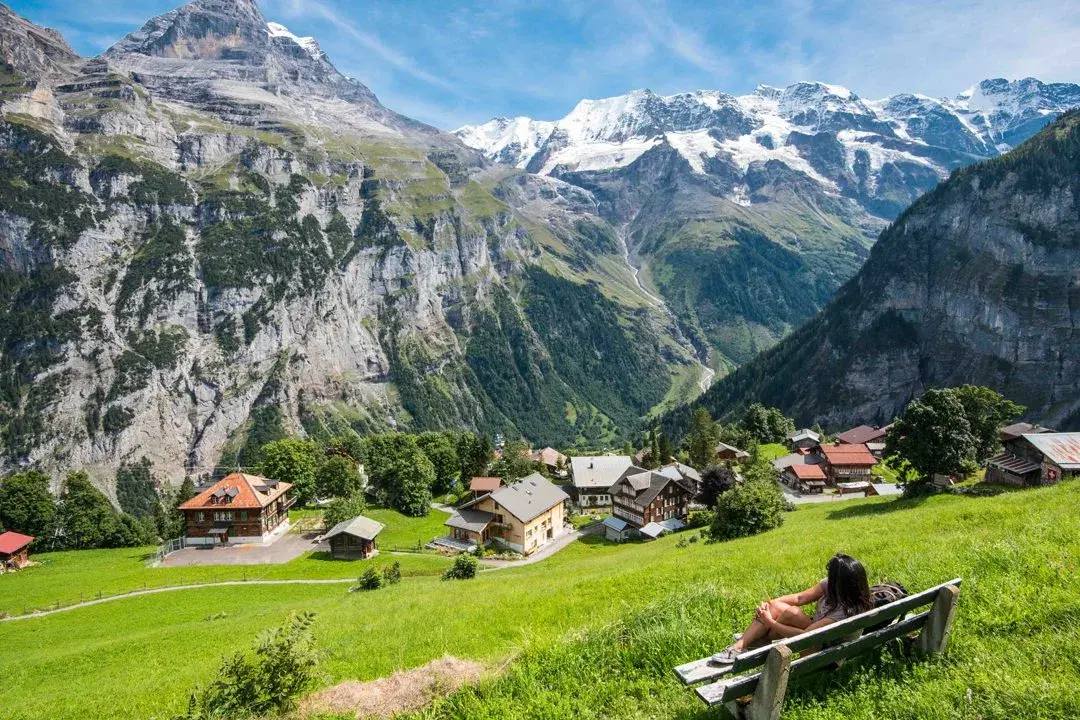
Switzerland is a landlocked country in Central Europe, covering approximately 41,285 sq km across the Alps, Jura mountains, and the Swiss Plateau. Switzerland requires a Schengen visa for Indian passport holders, with processing typically taking 10–15 working days from application centres in Mumbai, Delhi, Bangalore, Chennai, Hyderabad, Pune, and Kolkata.
Most Indian travellers plan a 6-night, 7-day itinerary, which allows time across Zurich, Lucerne, Interlaken, and the Jungfrau region without feeling rushed. Packages for Indian travellers start from approximately ₹1,25,000 per person, depending on the departure city, hotel category, and travel season.
The best time to visit Switzerland is June to September, when mountain passes are open, train services run fully, and daytime temperatures stay between 18°C and 28°C. Tripstor builds Switzerland itineraries around your departure city, travel dates, and group size, with Schengen visa guidance included in the planning process.
Curated starting points
Begin with a thoughtfully paced itinerary, then change the stays, experiences, route, and budget with a Tripstor specialist.
Switzerland · Flexible itinerary
Starting from
₹1,50,000/ person
Depart from India
Explore thoughtfully planned routes with flights, stays, and experiences shaped around your departure city.
Destination guide
Practical context, local highlights, and honest planning advice — written for travellers from India.
Your field notes
A considered guide to Switzerland
Switzerland is a Central European country covering 41,285 sq km, with four national languages and a tourism economy built around alpine scenery, mountain railways, and lakeside cities. Indian travellers choose Switzerland for a 6-night, 7-day trip because the country packs multiple distinct regions into a compact geography, making it efficient for first-time Europe visitors.
Switzerland shares borders with Germany, France, Italy, Austria, and Liechtenstein. The country operates on Swiss Franc (CHF) as its currency. Major tourist hubs include Zurich, Geneva, Lucerne, Interlaken, and Zermatt.
For Indian travellers, Switzerland works well as a first Europe destination. The rail network connects all major cities, so internal travel is straightforward. English is widely spoken in tourist areas across all four language regions.
The standard 6N/7D format from India allows coverage of at least three to four Swiss cities. Packages starting at ₹1,25,000 typically include flights, accommodation, and some guided transfers. Understanding the visa requirement is the first planning step before booking.
Indian passport holders require a Schengen visa to enter Switzerland. The Schengen visa is a short-stay visa issued by European member states, valid for up to 90 days within a 180-day period. Switzerland is a Schengen Area member, so one Schengen visa covers entry into Switzerland and 26 other European countries.
The Schengen visa application for Switzerland is submitted at the Swiss Embassy or authorised VFS Global centre in India. Processing time is typically 15 to 30 working days. Applicants must submit a confirmed itinerary, hotel bookings, travel insurance, and bank statements.
Travel insurance for a Schengen visa must cover a minimum of €30,000 in medical expenses. The insurance must be valid for the entire duration of the trip. Tripstor assists with documentation preparation as part of the package booking process.
Indian travellers should apply for the Schengen visa at least 6 to 8 weeks before the travel date. Peak summer months see higher application volumes at VFS centres. Early application reduces the risk of delays affecting your travel dates.
The best time to visit Switzerland from India is June to September, when alpine passes are open, temperatures range from 18°C to 28°C in lower elevations, and all major mountain excursions including Jungfraujoch and Titlis are fully operational. Summer offers the longest daylight hours and the most accessible terrain.
June to September is Switzerland's peak tourist season. Jungfraujoch, the highest railway station in Europe at 3,454 metres, operates full services during this period. Titlis, a mountain in the Uri Alps at 3,238 metres, also runs its revolving cable car throughout summer.
December to February is the ski season, with resorts like Zermatt and Verbier attracting winter sports travellers. Snowfall can disrupt some mountain excursions. Prices during ski season are comparable to summer peak rates.
| Travel Month | Season Type | Average Temperature (Zurich, °C) | Key Activities Available | Accommodation + Flight Price Level vs. Off-Season Baseline |
|---|---|---|---|---|
| June – September | Peak Summer | 18°C – 28°C | Jungfraujoch, Titlis, Rhine Falls, lake cruises, hiking | +30% to +50% above baseline |
| December – February | Peak Winter / Ski Season | -2°C – 5°C | Skiing, snowboarding, Christmas markets, Zermatt | +25% to +45% above baseline |
| March – May | Spring / Shoulder | 8°C – 18°C | City sightseeing, some mountain access, fewer crowds | Baseline |
| October – November | Autumn / Shoulder | 6°C – 15°C | City tours, reduced mountain services, autumn foliage | Baseline to -10% |
Shoulder months of March to May and October to November offer lower prices and fewer crowds. Some mountain cable cars close for maintenance in November. Travellers who prioritise mountain excursions should book within the June to September window.
A 6-night, 7-day Switzerland itinerary from India typically covers Zurich, Lucerne, Interlaken, and either Zermatt or Geneva, using the Swiss rail network for intercity transfers. The structure allocates one to two nights per city, with mountain excursions scheduled on clear-weather days.
Zurich is Switzerland's largest city, serving as the main international arrival point for Indian travellers. Flights from Mumbai, Delhi, and Bangalore connect to Zurich Airport (ZRH) via one-stop routings. After hotel check-in, the evening suits a walk along Bahnhofstrasse or the old town area.
Lucerne is a lakeside city in central Switzerland, located approximately 50 km from Zurich by rail. The Chapel Bridge, a 14th-century wooden covered bridge, is Lucerne's most recognised structure. The train journey from Zurich to Lucerne takes around 50 minutes.
Mount Titlis is a glacier mountain in the Uri Alps, accessible via Engelberg, which is a 45-minute train ride from Lucerne. The Titlis Rotair revolving cable car is the world's first revolving cable car, rising to 3,020 metres. Snow activities and glacier walks are available at the summit year-round.
Interlaken is a town in the Bernese Oberland region, situated between Lake Thun and Lake Brienz at 568 metres elevation. Harder Kulm is a viewpoint above Interlaken, reachable by funicular in 10 minutes. The viewpoint offers a direct line of sight to the Eiger, Mönch, and Jungfrau peaks.
Jungfraujoch is the highest railway station in Europe, located at 3,454 metres in the Bernese Alps. The Jungfrau Railway operates from Interlaken Ost station, with a journey time of approximately 2 hours each way. Excursion tickets should be booked in advance, especially during June to September peak season.
Geneva is Switzerland's second-largest city, located on the western tip of Lake Geneva near the French border. The Jet d'Eau, a water fountain on Lake Geneva shooting water 140 metres high, is Geneva's most visible landmark. Travellers with late departures can use Geneva as a final base before flying home.
Zurich Airport and Geneva Airport both offer direct and one-stop connections back to major Indian cities. Check-out and airport transfer are included in standard Tripstor packages. Flight timings from Zurich to Mumbai average 9 to 10 hours on direct routing.
A Switzerland trip from India starts at ₹1,25,000 per person for a 6-night, 7-day package. This price band typically covers return flights, accommodation, and select transfers. Mountain excursion tickets, meals, and personal expenses are usually additional costs that travellers should budget for separately.
Switzerland is one of the more expensive European destinations for daily spending. A mid-range meal in a Swiss restaurant costs approximately CHF 20 to CHF 40 per person. Mountain excursion tickets such as Jungfraujoch can cost CHF 145 to CHF 210 per adult depending on the season.
| Package Component | Included in Base Package (from ₹1,25,000) | Typical Add-On Cost (Approximate) |
|---|---|---|
| Return flights (India to Switzerland) | Yes | — |
| Hotel accommodation (6 nights, 3-star) | Yes | Upgrade to 4-star: ₹8,000–₹15,000 extra per person |
| Airport and intercity transfers | Select transfers included | Additional private transfers: ₹3,000–₹6,000 per leg |
| Jungfraujoch excursion ticket | Not included | CHF 145–210 per adult (~₹14,000–₹20,000) |
| Mount Titlis excursion ticket | Not included | CHF 86–96 per adult (~₹8,000–₹9,500) |
| Meals (beyond breakfast) | Breakfast only in most packages | CHF 20–40 per meal per person |
| Schengen visa fee | Not included | Approximately ₹7,000–₹8,500 per person |
| Travel insurance (Schengen-compliant) | Not included | ₹1,500–₹3,000 per person for 7 days |
Travellers departing from Bangalore, Chennai, Hyderabad, or Kolkata may pay a higher flight component than those departing from Mumbai or Delhi. Connecting flights add transit time and can affect the total package cost. Tripstor adjusts the base price based on the departure city at the time of booking.
In 7 days, Indian travellers can realistically cover Zurich, Lucerne, Interlaken, and one of either Zermatt or Geneva. The four-city structure uses Switzerland's rail network efficiently and includes the two most popular mountain excursions, Titlis and Jungfraujoch, without excessive travel days.
Zurich is Switzerland's financial and cultural centre, home to over 50 museums and a well-connected international airport. The old town district, known as Altstadt, contains medieval architecture along the Limmat River. Zurich suits a half-day to one-day exploration before moving to Lucerne.
Lucerne is a city of approximately 82,000 residents on Lake Lucerne, serving as the base for the Mount Titlis excursion. The Lion Monument, a 19th-century rock relief carved into a cliff face, is located in Lucerne's city centre. Lucerne also connects to the Rigi and Pilatus mountains for travellers with extra time.
Interlaken is the primary base for Jungfraujoch visits and is also known for paragliding and river rafting. The town has a high concentration of Indian-friendly restaurants and hotels. Two nights in Interlaken allows one full day for Jungfraujoch and one day for local activities.
Zermatt is a car-free village in the Valais canton, located at 1,620 metres at the base of the Matterhorn. The Matterhorn is a pyramid-shaped peak at 4,478 metres, one of the most photographed mountains in Europe. Zermatt is accessible by train from Visp or Brig and suits travellers adding a night to the standard itinerary.
Geneva is an international city of approximately 200,000 residents, hosting the United Nations European headquarters. The Old Town of Geneva contains St. Peter's Cathedral, a Romanesque and Gothic structure dating to the 12th century. Geneva Airport offers direct and one-stop connections back to India, making Geneva a practical final stop.
Travellers from India reach Switzerland by flying into Zurich Airport (ZRH) or Geneva Airport (GVA). No direct non-stop flights operate between India and Switzerland as of 2024. Most routings connect through Dubai, Abu Dhabi, Doha, Frankfurt, or Amsterdam, with total travel times of 11 to 16 hours depending on the layover.
Mumbai and Delhi have the highest frequency of connecting flights to Zurich and Geneva. Travellers from Bangalore, Chennai, Hyderabad, Pune, and Kolkata typically connect through a Gulf hub before reaching Switzerland. Flight duration from Mumbai to Zurich via a one-stop routing averages 12 to 14 hours total.
The Swiss Travel Pass is a rail pass valid on trains, buses, and boats across Switzerland. The Swiss Travel Pass covers unlimited travel on the Swiss Federal Railways (SBB) network and is available in 3, 4, 6, 8, or 15-day formats. Indian travellers on a 7-day itinerary typically find a 4-day or 6-day pass cost-effective for intercity travel.
The top activities in Switzerland for Indian travellers include the Jungfraujoch mountain excursion, a Mount Titlis glacier visit, a Rhine Falls day trip, lake cruises on Lake Lucerne or Lake Geneva, and city walks in Zurich and Lucerne. Most of these activities are accessible without a car using the Swiss rail network.
Indian travellers with dietary requirements will find vegetarian and Jain meal options more readily available in Interlaken and Zurich than in smaller alpine villages. Planning meals in advance reduces difficulty in remote mountain areas. The next section covers how Tripstor structures packages for different traveller types.
A Switzerland trip is best suited for Indian couples on honeymoon, families with children above 5 years, and first-time Europe travellers who want a structured itinerary with reliable infrastructure. The country's safety record, English accessibility, and rail connectivity make Switzerland a low-friction first international trip for Indian passport holders.
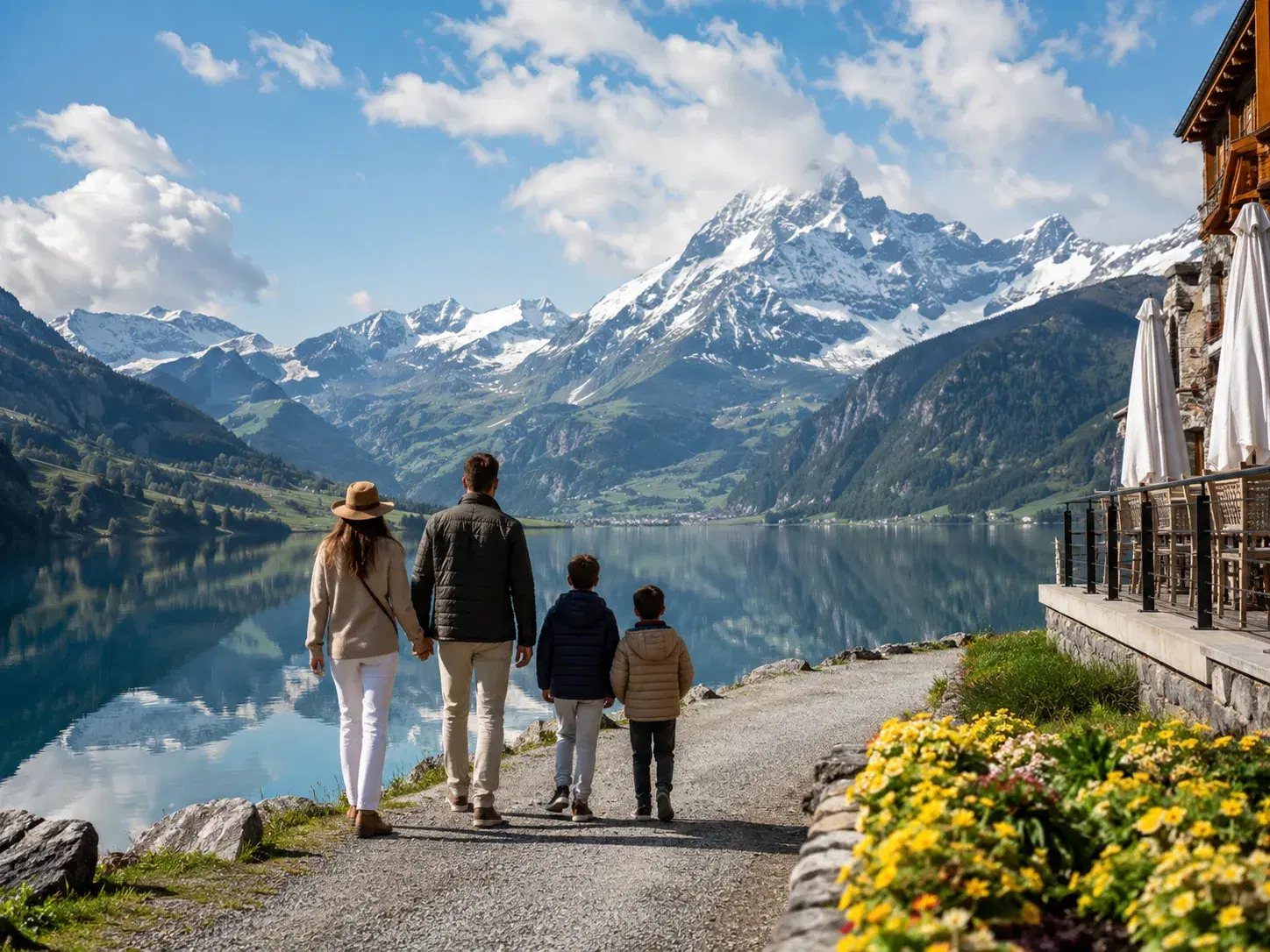
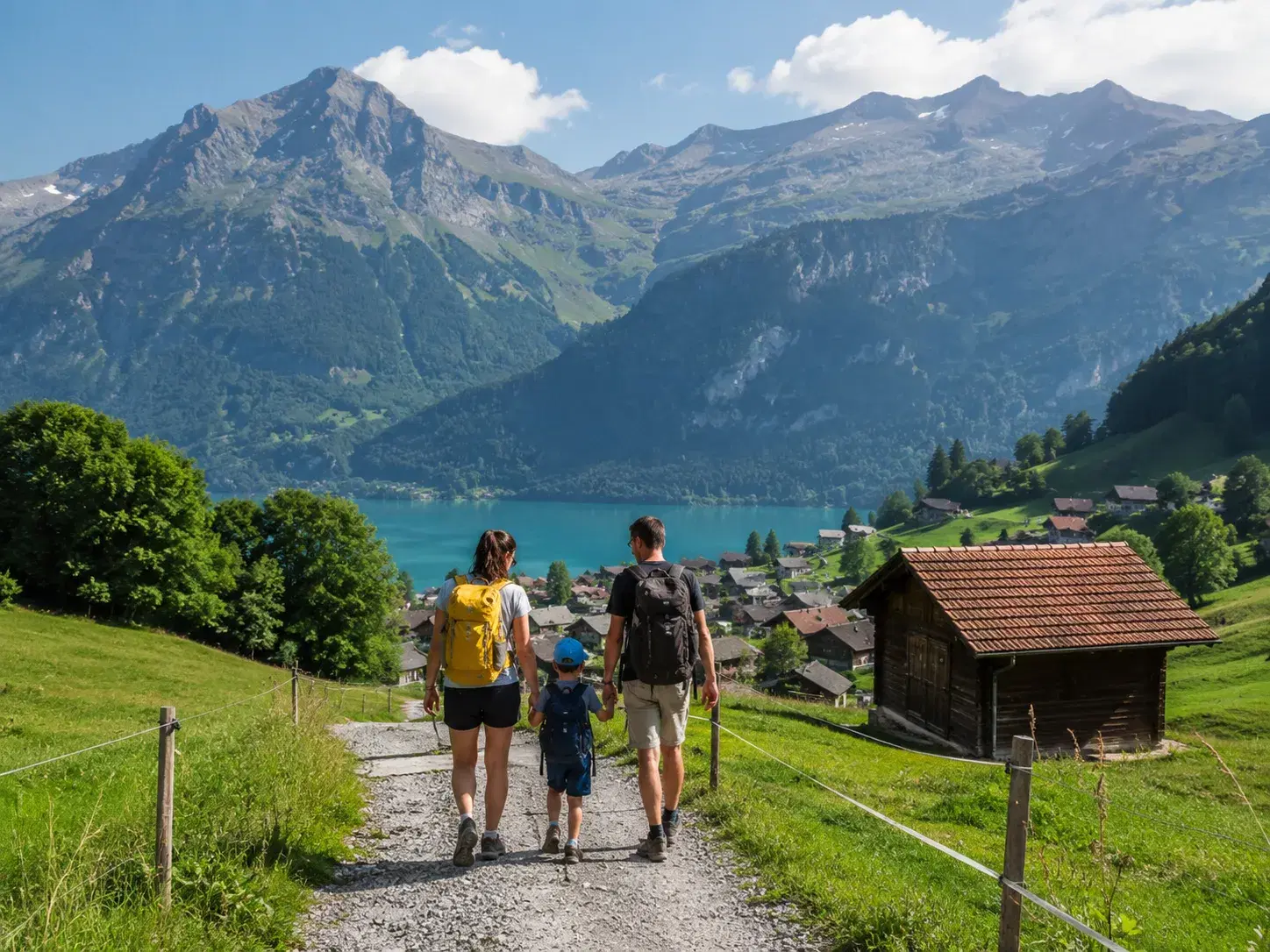
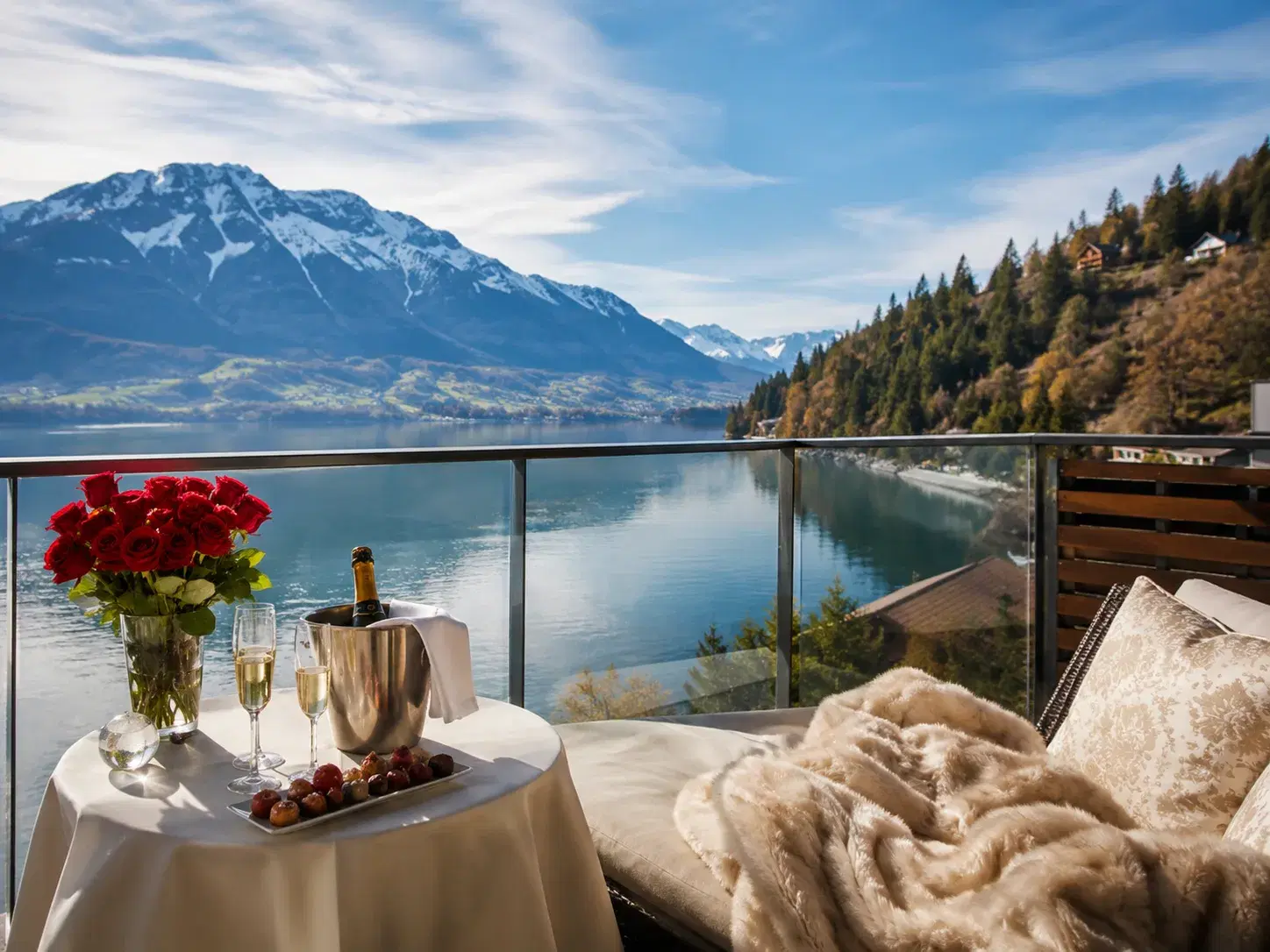
Couples on honeymoon typically prefer Zermatt and Lucerne for their lake and mountain settings. Families with children benefit from Interlaken's range of activities and the visual impact of snow at Titlis. Senior travellers find Switzerland manageable because most mountain excursions use cable cars or trains rather than trekking.
Solo travellers from India use Switzerland as a base for a broader Europe trip, combining the Schengen visa coverage across neighbouring countries. The Swiss Travel Pass, mentioned earlier in the transport section, gives solo travellers flexibility without pre-booking every leg. Switzerland's low crime rate and well-marked tourist infrastructure support independent travel.
Indian travellers should confirm four things before booking a Switzerland package: Schengen visa eligibility and lead time, departure city flight options, the inclusion list of the package, and the travel season relative to the June to September peak window. These four checks prevent the most common booking errors for first-time Switzerland visitors from India.
The Schengen visa, covered earlier in this guide, requires a minimum of 6 to 8 weeks of lead time. Travellers should not book non-refundable flights before the visa is approved. Tripstor recommends initiating the visa process before confirming travel dates.
Package inclusions vary significantly between operators. Some packages at the ₹1,25,000 starting price exclude mountain excursion tickets, which can add ₹20,000 to ₹30,000 per person. Reading the inclusions list carefully before payment avoids unexpected costs on the ground.
Currency exchange for Switzerland should account for the Swiss Franc, not the Euro. Switzerland uses CHF, and Euro is not accepted in most Swiss shops and restaurants. Travellers should carry CHF in cash for smaller towns and mountain areas where card acceptance is limited.
Personalise your trip
Choose a travel style as your starting point. We'll refine the pace, stays, experiences, and budget until the journey feels entirely yours.
Not sure which fits? Use our trip builder — it takes under two minutes.
Got questions?
Straight answers on visas, pricing, best time to visit, and how our packages work for Indian travellers.
6 questions answered below
A Schengen visa covers Switzerland, since Switzerland is a full Schengen Area member state. Indian passport holders apply for a Type C short-stay Schengen visa through the Swiss embassy or a VFS Global centre in Mumbai, Delhi, Bangalore, Chennai, Hyderabad, Pune, or Kolkata. One Schengen visa allows travel across all 27 member countries during the same trip. Apply at least 4–6 weeks before departure to allow processing time.
Social proof
Real feedback from Indian holidaymakers who booked Switzerland packages with Tripstor.
4.8
from 432+ reviews
CoupleOur Switzerland trip was well planned from start to finish.